

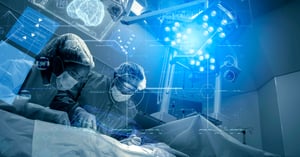
The precision and reliability of medical equipment affect patient outcomes. Choosing the right equipment matters, and so does installing it correctly. A correct installation is what makes new equipment safe to use and compliant on its first day in service. This article covers five benefits of professional installation and the six steps of the hospital equipment installation process.
5 Benefits of Professional Medical Equipment Installation
1. Patient and Staff Safety
Proper installation protects patients and staff. Equipment like surgical booms, surgical lights, modular ceiling systems, and med gas systems require precise installation and secure mounting. A minor installation error leads to malfunctions that put patients and clinicians at risk, and a boom or light mounted to an underrated support places a load over the room that the ceiling was not built to carry. KR Wolfe’s surgical boom installation guide covers the structural planning these systems need.
2. Medical Equipment Performance Depends on Expert Setup
Correct installation ensures the equipment functions as intended. Advanced diagnostics and life-support systems depend on a correct setup. Installed outside the manufacturer’s specifications, these machines produce inaccurate results or fail during a procedure. Technicians trained by the manufacturer know the alignment checks and installation sequence each system calls for.
3. Compliance with Healthcare Regulations
Professional equipment installation supports compliance with healthcare regulations. Hospitals are subject to strict standards from agencies like The Joint Commission and the FDA. Joint Commission guidance calls for an electrical safety test under NFPA 99 and a functional test to the manufacturer’s specifications before medical equipment’s first use. Improperly installed equipment puts a hospital at risk of regulatory violations, fines, and loss of accreditation.
4. Equipment Integration Reduces Downtime
Medical equipment placed correctly and connected to existing hospital systems, such as surgical video and nurse call, reduces downtime. Staff spend their time on patient care instead of troubleshooting.
5. Maximize the Lifespan of Your Capital Equipment
When installed correctly, medical equipment lasts longer and requires fewer repairs. Poor installation leads to premature wear and costly service calls. Machines installed with precision and tested thoroughly have fewer mechanical issues over time, and KR Wolfe’s medical equipment field service team handles scheduled maintenance and repair after installation.
Planning an equipment rollout for one hospital or several? Talk to the KR Wolfe equipment installation team.
How the Hospital Equipment Installation Process Works
Each benefit above depends on six steps that run from planning through handoff.
- Confirm the manufacturer’s pre-installation requirements for weight, mounting points, power, data, plumbing, medical gas, and clearances before a delivery date is set.
- Prepare the site with structural supports, electrical and data rough-in, and medical gas installation, following an infection control risk assessment in occupied hospitals.
- Receive, inspect, and stage the equipment, confirming the route from the loading dock to the room.
- Install to the manufacturer’s specifications, including modular ceiling and wall systems in IR labs and OR suites, where imaging and surgical vendors set the dimensional tolerances.
- Test and commission the equipment, then complete the hospital clinical engineering team’s inspection before first use.
- Hand off installation records and test results, and complete in-service training for clinical staff.
Trust KR Wolfe for Expert Medical Equipment Installation and Operating Room Renovation
For nearly 20 years, KR Wolfe has been an operating room renovation contractor for hospitals, healthcare systems, and medical equipment manufacturers across the U.S. Its medical equipment installation services cover surgical equipment, diagnostic machines, AV systems, and life-support technology in clinical spaces from ORs and IR labs to hybrid OR suites and patient care floors. Technicians are OSHA-certified and trained directly by the manufacturers whose equipment they install.
KR Wolfe’s healthcare field service technicians install medical equipment in new facilities and in upgrades to existing ones. When the installation is part of a larger OR renovation, the KR Wolfe healthcare renovation team handles the construction alongside the equipment work.
Key Takeaways
- Professional medical equipment installation protects patient and staff safety, equipment performance, regulatory compliance, uptime, and equipment lifespan.
- Equipment installed outside the manufacturer’s specifications produces inaccurate results or fails during use.
- Joint Commission guidance calls for an electrical safety test and a functional test before medical equipment’s first use.
- The hospital equipment installation process runs in six steps, from pre-installation requirements to handoff.
- Correctly installed equipment needs fewer repairs and lasts longer.
Contact the KR Wolfe team to plan your next hospital equipment installation.
Hospital Equipment Installation FAQs
How Do Hospital Project Managers Coordinate Medical Equipment Delivery and Installation Timelines?
They schedule backward from the date the room has to return to service. Site preparation must finish before the manufacturer’s delivery date, and installation and commissioning fill the time between delivery and handoff. One project manager tracking all three keeps a late shipment or an unfinished ceiling support from delaying the room’s opening.
Who Installs Medical Equipment a Hospital Buys Separately From a Construction Project?
Equipment the hospital buys and supplies for a construction project is called owner-furnished, contractor-installed (OFCI) equipment, and a contractor installs it within the construction schedule. KR Wolfe installs OFCI equipment on hospital and commercial projects and coordinates with the general contractor so the equipment work follows the build sequence.