
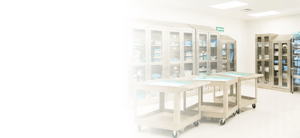
Sterilization Equipment Installation
KR Wolfe handles all of it, from rigging through commissioning, in hospitals, surgery centers, and reprocessing facilities nationwide.

From Decontamination to Sterile Storage
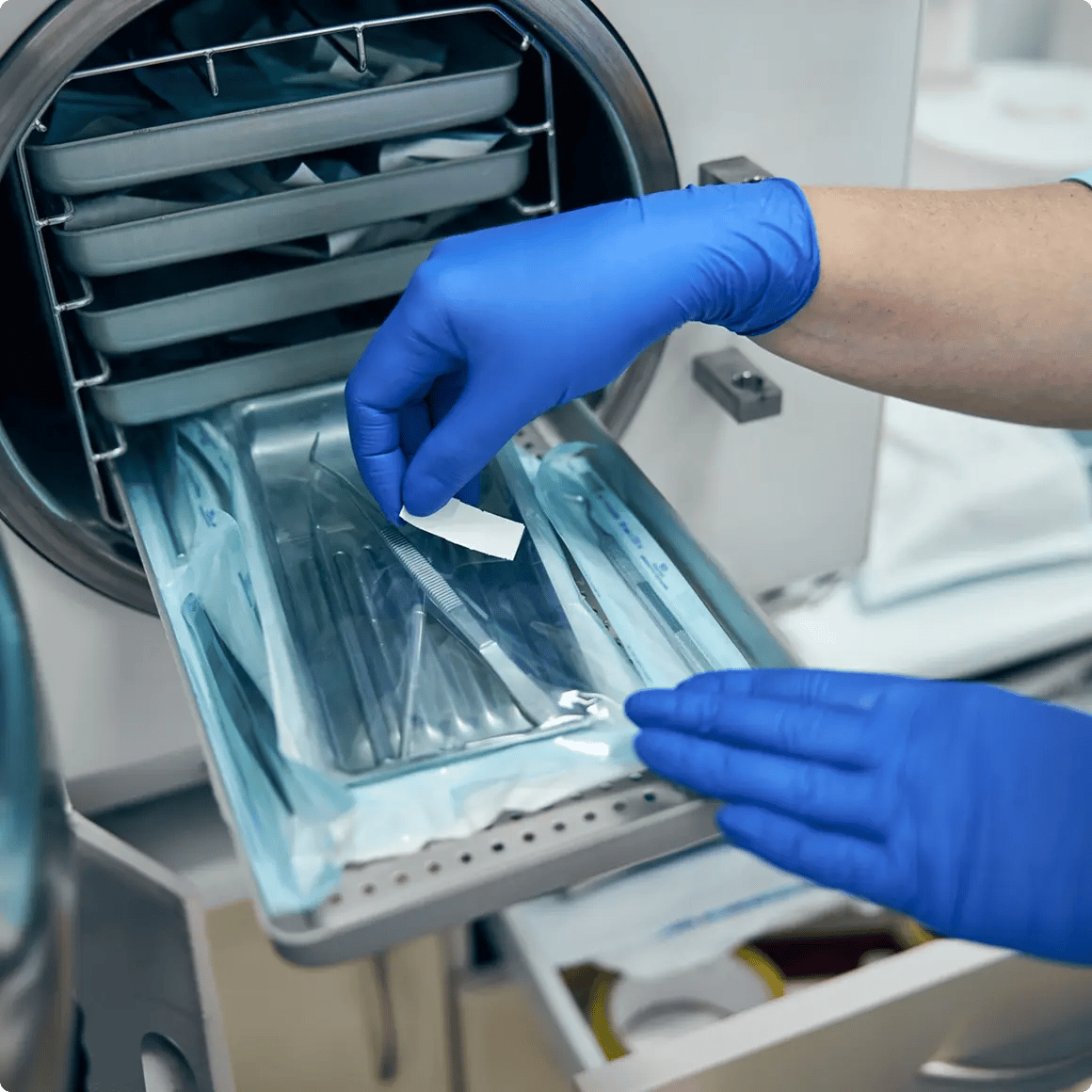
We install the full reprocessing workflow, from decontamination through sterile storage, including large-capacity and pit-mounted chambers that need structural and utility work before the unit arrives.
New department builds, single-unit replacements, and multi-site rollouts are handled under a single contract. Our technicians train with the manufacturers whose equipment they install, so a mixed-brand fleet is not a constraint.
- Large-capacity steam sterilizers, single-door and pass-through
- Multi-chamber washers and washer disinfectors
- Cart washers and cart handling systems
- Ultrasonic cleaners and instrument processing equipment
- Low-temperature sterilization systems
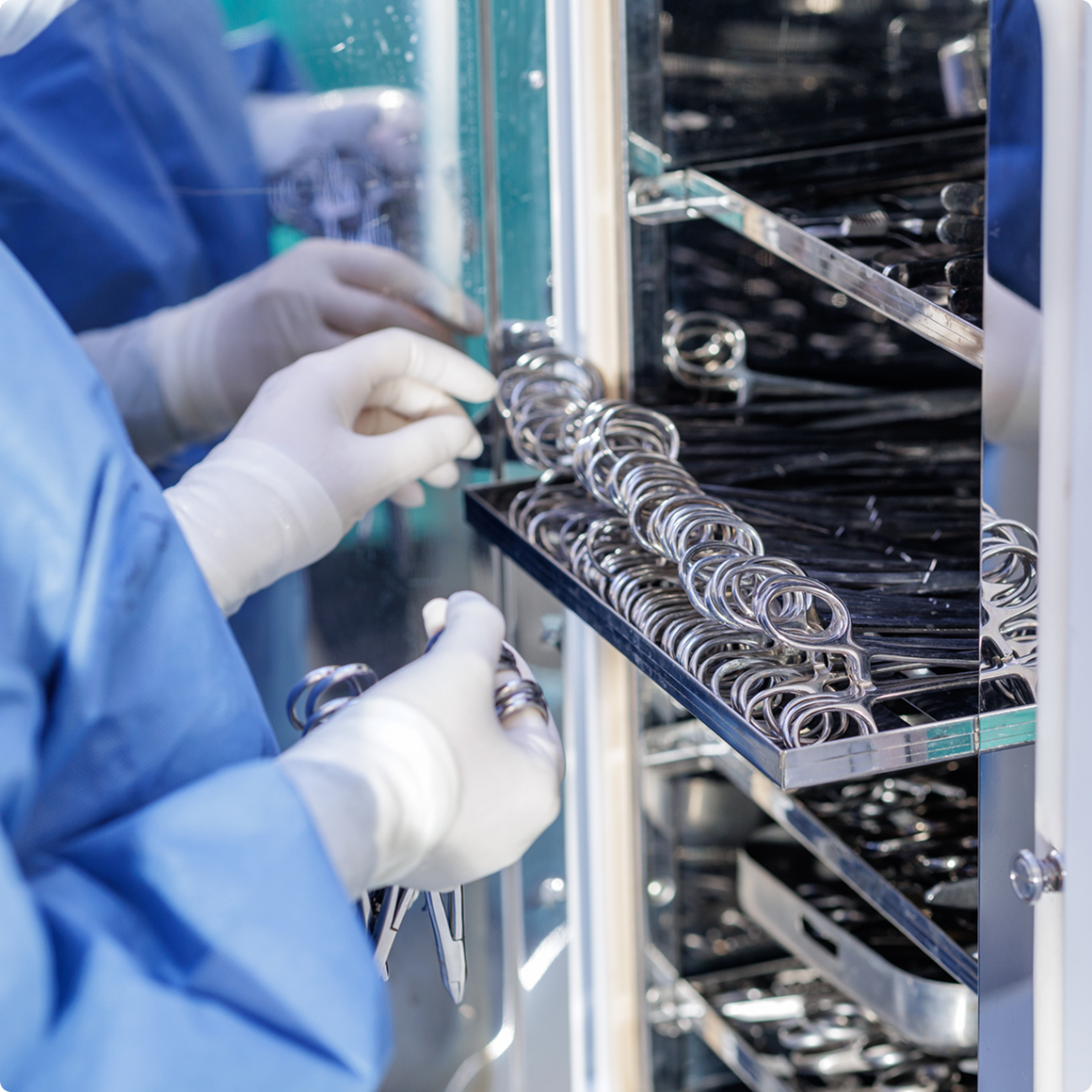
- Reprocessing casework and pass-through barriers
The sterile processing scope is settled before the bid, not after. Preconstruction is where the phasing plan, the utility coordination, and the long-lead equipment risk get worked out. Bring us in during preconstruction.
Who Handles Sterilizer Installation on a Hospital Project
The common point of confusion on a sterile processing project is who owns which piece. The manufacturer builds the unit and certifies it once it is connected. The mechanical and electrical trades bring steam, water, drain, and power to the wall. Neither of them rigs the equipment into a below-grade room, sets it level on a pit-mounted frame, coordinates the shutdown with the OR schedule, or answers for the turnover date.
That gap is the installation contractor's responsibility, and it falls under our capital and medical equipment installation work. On a KR Wolfe project, we take the equipment from the loading dock, handle rigging and setting, coordinate final connections with the trades, stage the OEM certification visit, and hand the department a working sterilizer with documentation attached. One party is accountable for the date.
After turnover, preventive maintenance and break-fix repairs for sterilizers, washers, and the broader clinical inventory are handled through our biomedical equipment repair and BMET staffing programs.
Installing Sterile Processing Equipment in an Occupied Hospital
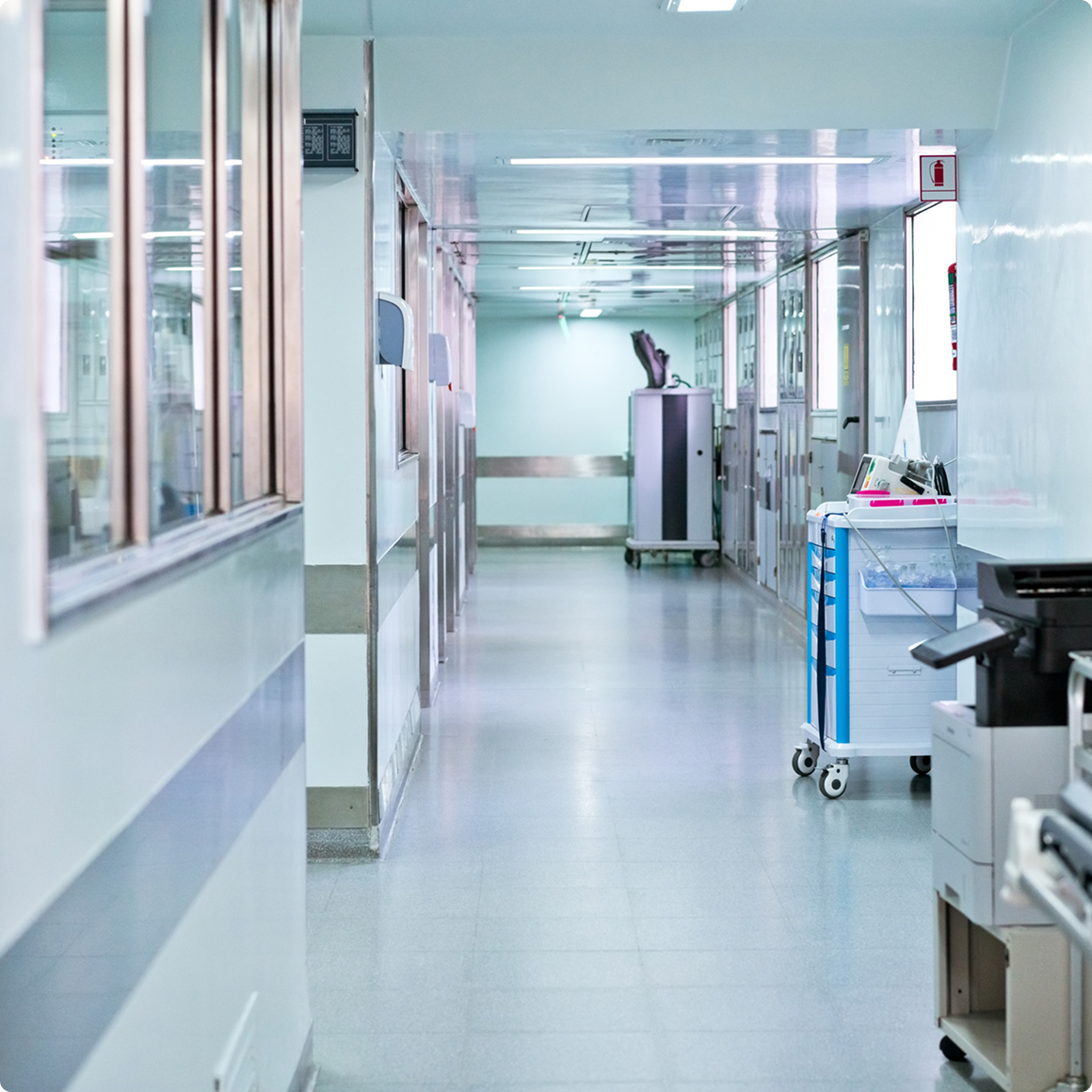
Sterile processing rarely gets a clean shutdown. The department supplies the ORs, and the ORs keep running. We phase sterilizer replacements so the department does not lose reprocessing capacity: one chamber at a time, off-hours connections, temporary instrument routing while a unit is down.
That work is performed under infection control protocols, up to and including Level 4 ICRA where the space sits adjacent to immunocompromised patient areas. Containment barriers, sealed penetrations, and HEPA-filtered negative-pressure machines are installed before demolition starts. Our healthcare renovation teams work at all ICRA classes, and the same protocols govern equipment installation inside an active building.
Tell us the downtime window the department can absorb, and the phasing plan gets built around it. Talk to our team about phasing.
Talk to the Team That Installs Sterilization Equipment
Hospital facilities teams usually come to us with a purchase order, a room, and a date. Send those along with any existing drawings, and you'll get back a phasing approach that keeps reprocessing running, the trades that need to sequence ahead of delivery, and where we think the schedule is tight.
For a manufacturer, the ask is different. When a unit sells into a region your service team doesn't cover, our technicians are trained on that equipment and travel anywhere in the country.
